The Wellbeing Care Community poverty alleviation solution unites community-based organizations, health, social services and more to address Community Care Coordination needs.

Housing Stability

Housing Stability
Housing as a Foundation for Health and Stability
Communities face rising eviction rates, aging housing stock, workforce shortages, and increased unsheltered homelessness. While federal and state investments in rental assistance, supportive housing, and eviction diversion have increased, the lack of digital coordination tools undermines efficiency.

Rising Evictions

Disconnected Systems

Gaps in Support
Wellbeing Community Care
How Housing Coordination Made Simple
WCC integrates housing stabilization, homelessness prevention, and social support services into one secure, client centered platform. It enables:
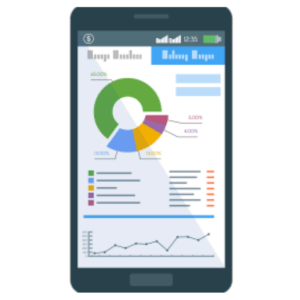
Integrated Housing Referrals and Case Planning
Supports landlord engagement, reentry housing, youth homelessness programs, and coordinated entry models.
Mobile Tools for Outreach
Enables on-the-ground staff to enroll individuals, check availability, and manage referrals.

HMIS Compatibility
Complements existing HMIS (Homeless Management Information System) with additional tools for holistic coordination and long-term engagement.

Automation and Analytics
Streamlines workflows and provides data on housing outcomes, resource utilization, and barriers to stability.
Connection to wraparound Services
Links rental assistance with food, healthcare, job training, and transportation.
WCC enables community housing partners to act faster, coordinate better, and scale smarter.
Strategic Advantage
Prevent Homelessness, Improve Stability
WCC supports whole-person economic mobility by helping residents access coordinated services and work with coaches, coordinators, and counselors to build long-term career pathways.
From early education to job placement and financial coaching, WCC reduces complexity and helps people move toward stability and success.
For Individuals
Clients receive timely, coordinated support from multiple agencies—no more being bounced between offices. They gain stability, dignity, and a path toward permanent housing.
For Providers
Shared visibility into client needs, housing timelines, and service gaps. Time saved from duplicative data entry means more capacity for case management.
For Communities and State Agencies
More effective use of HUD, ESG, and state housing funds. Stronger ability to demonstrate outcomes and equity in housing access.
Why It Matters
- Integrates housing, health, justice, and behavioral supports.
- Enables cross-agency collaboration and public-private partnerships.
WCC delivers a coordinated, sustainable path to housing security—essential for long-term wellbeing and community health.
Copyright © 2010-2026. eTransX, Inc. All rights reserved. | Privacy Policy