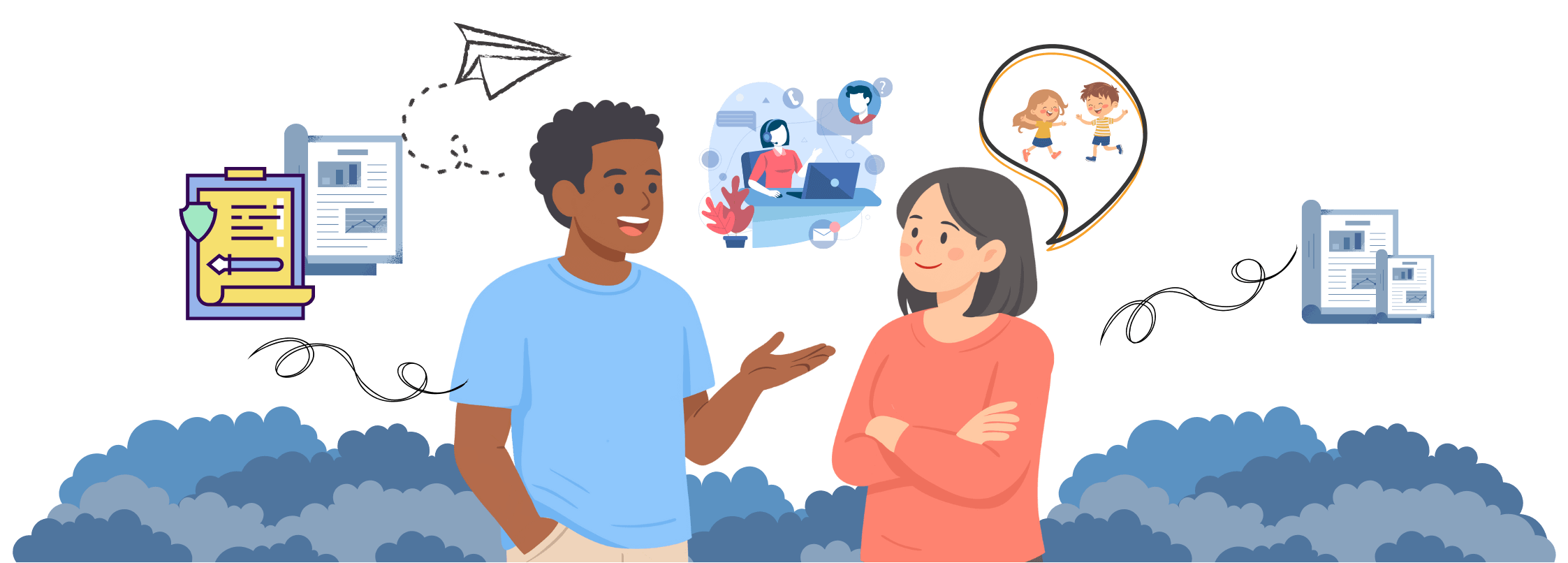

The COVID-19 pandemic further exacerbated these issues, particularly in communities of color and under-resourced rural areas. Yet most communities still rely on disjointed systems that fail to deliver timely, coordinated interventions. School counselors, juvenile justice caseworkers, social service providers, and behavioral health teams often work in isolation, using separate systems, forms, and definitions of success.
Youth are passed from one program to another without continuity, often repeating assessments, missing referrals, or falling through service gaps altogether. The cost of this fragmentation is high: rising school dropout rates, increased juvenile detention, and generational poverty.
To address these issues, communities must transition from reactive interventions to proactive, collaborative, and equity-driven systems of care that center the youth and their family in the process.
That’s where the Wellbeing Care Community (WCC) platform steps in.